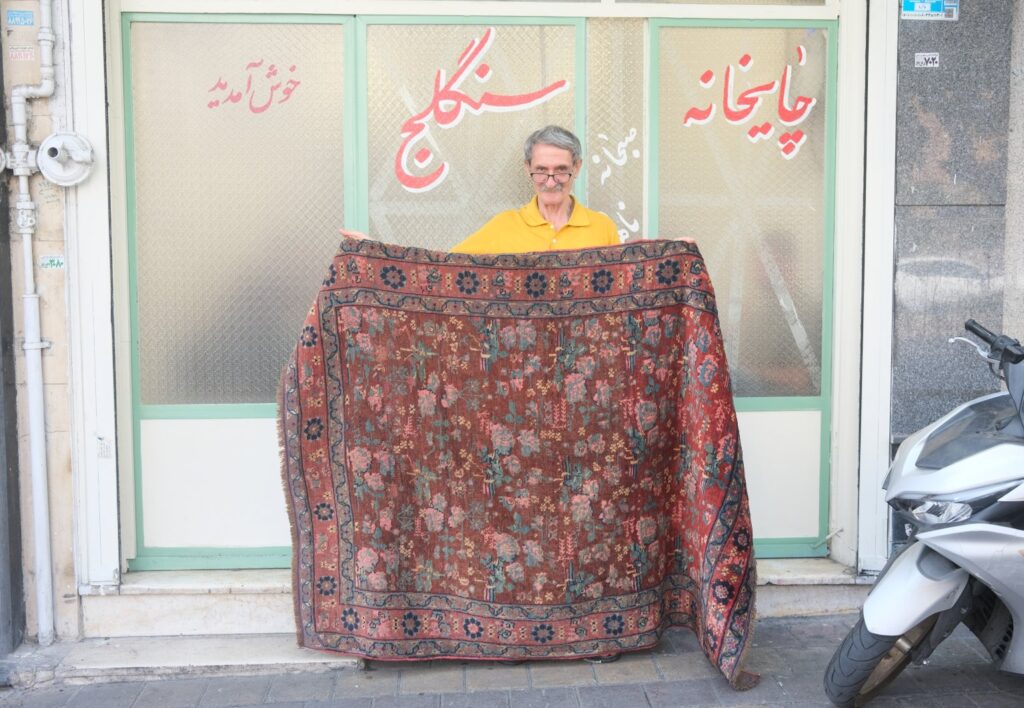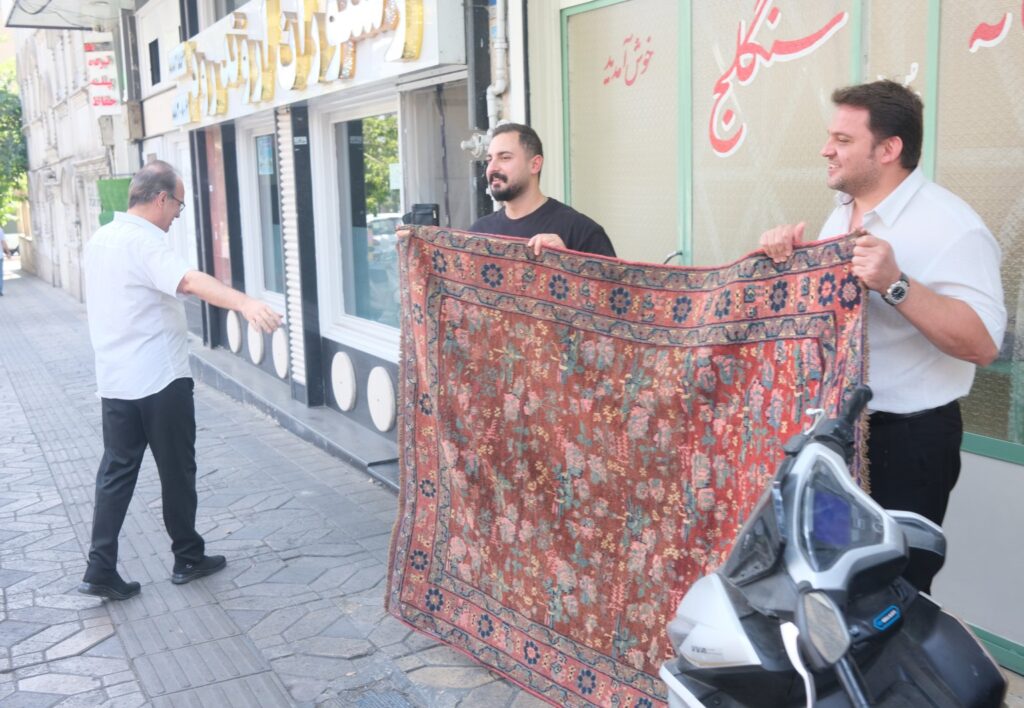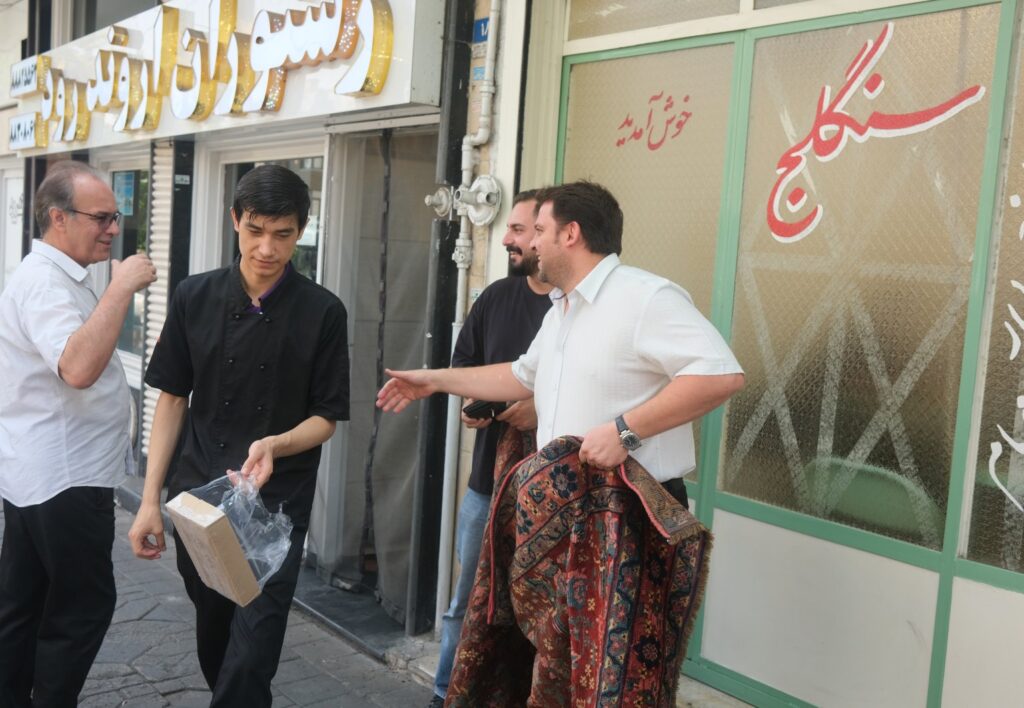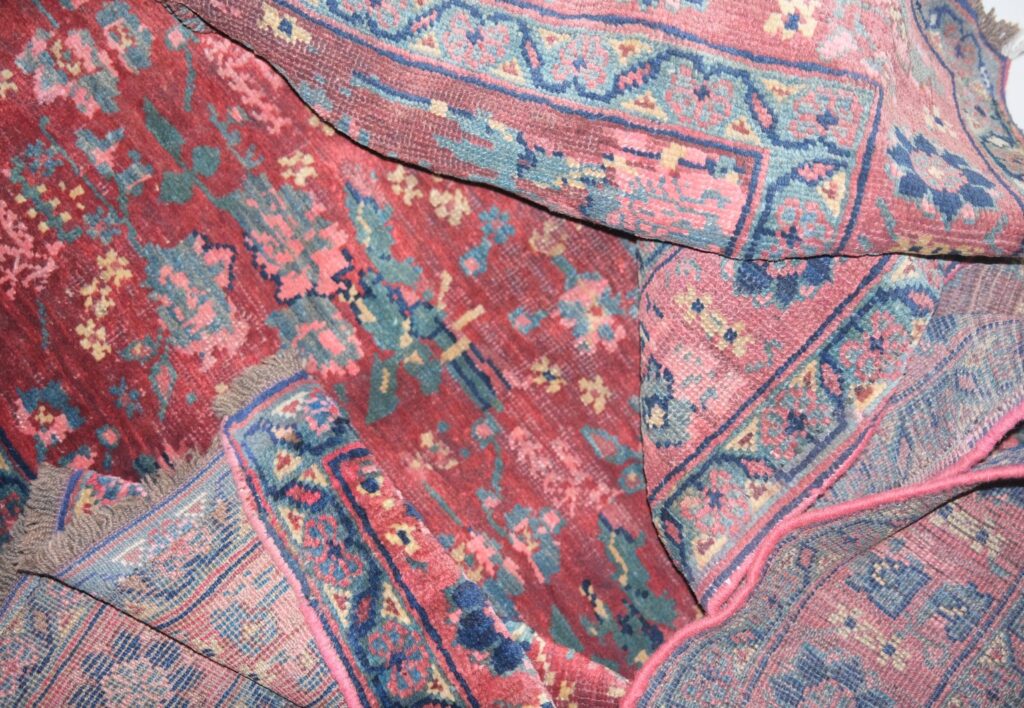
This is a hand-knotted antique Savojbalagh rug, originating from the historic weaving region of northwestern Iran. At approximately 90 years old, dating to the mid-1930s, this piece represents a golden era of village weaving when natural dyes were at their peak. Measuring 188 by 140 centimeters (roughly 6 feet 2 inches by 4 feet 7 inches), it is a versatile medium-sized area rug, ideally suited for a cozy living room, a bedroom, a study, or a serene gallery wall. The rug is constructed entirely from dense, high-quality hand-spun sheep’s wool, giving it a signature lustrous sheen and a soft, velvety pile that has mellowed beautifully over nearly a century.
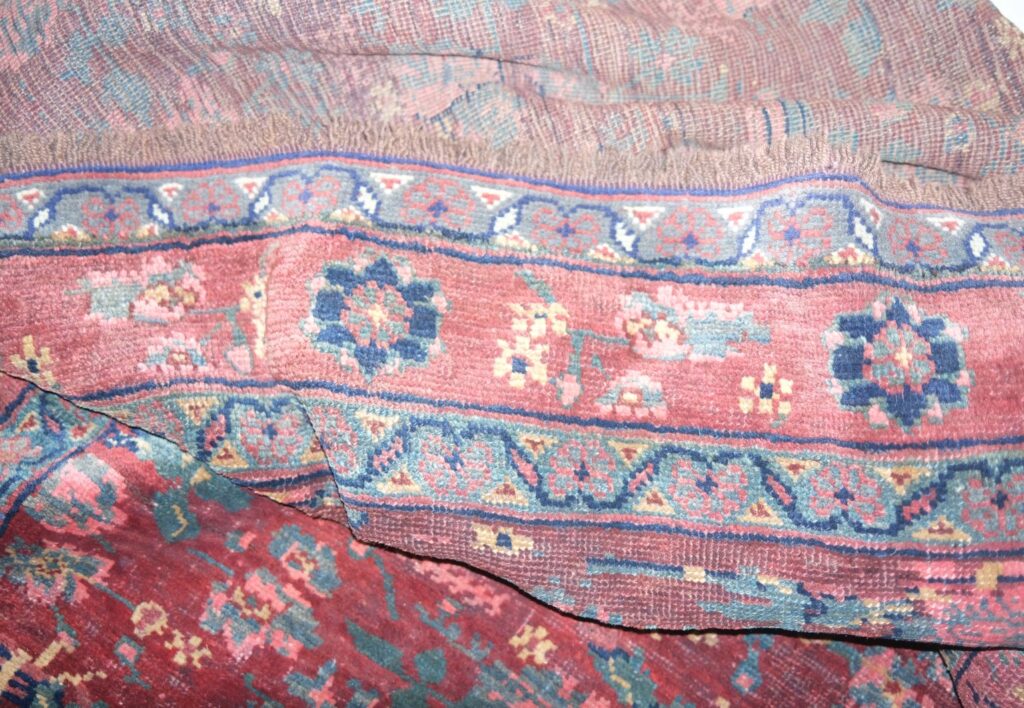
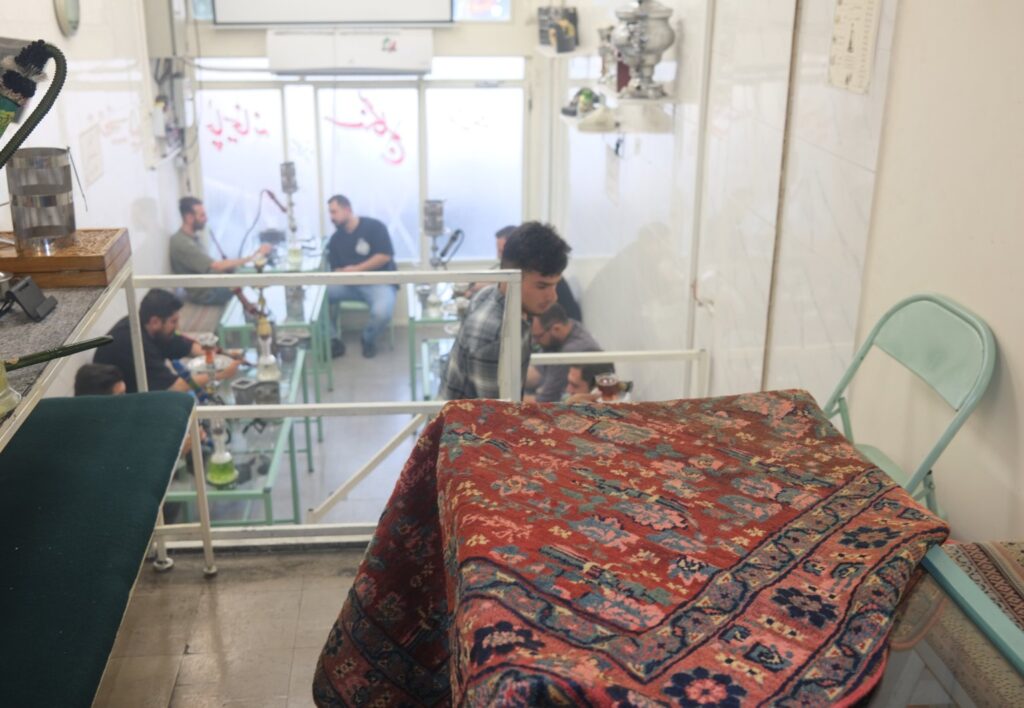
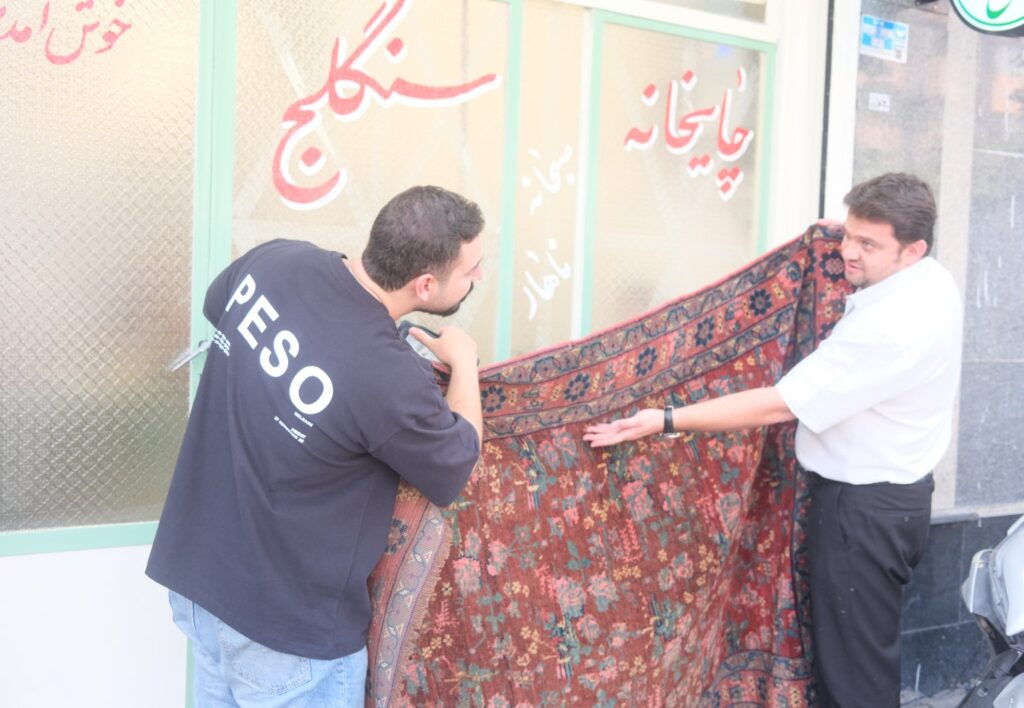
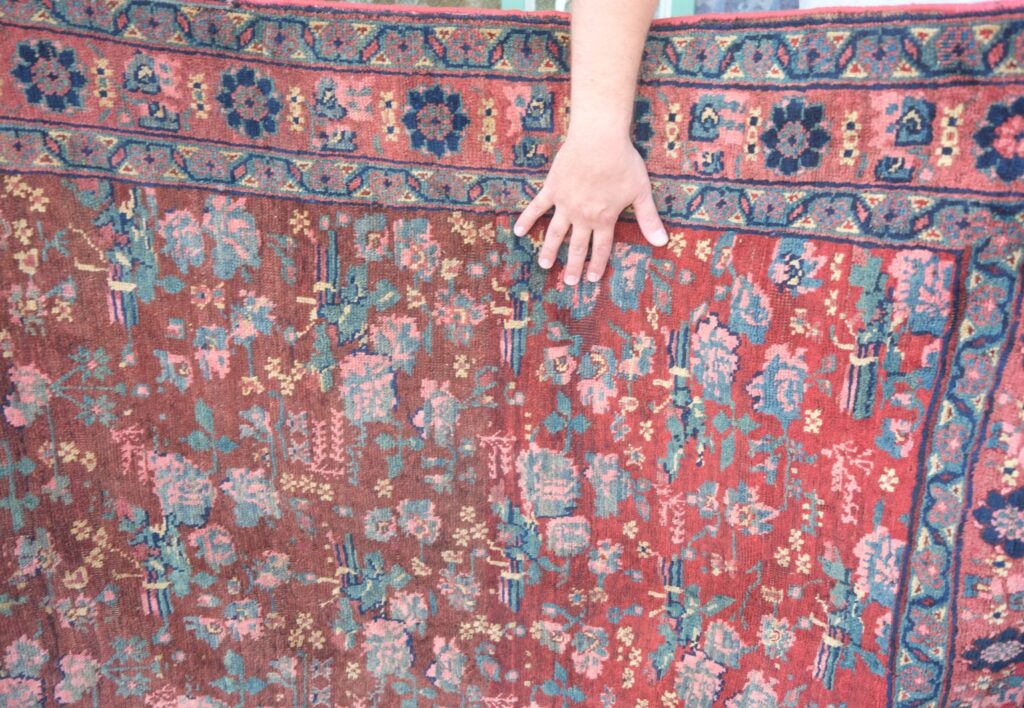
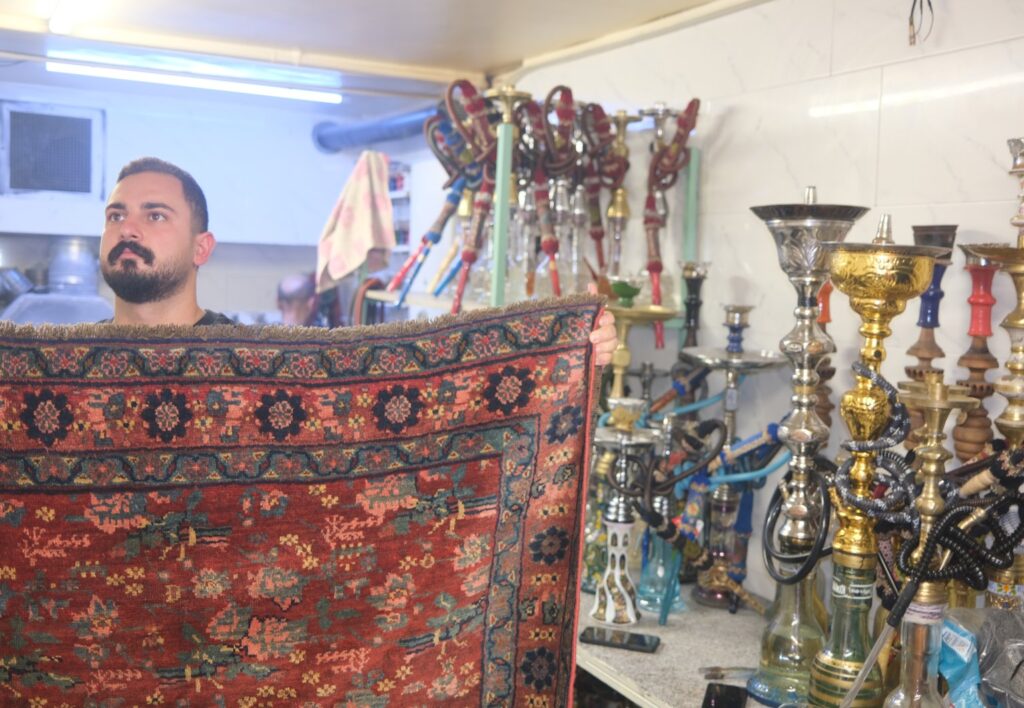
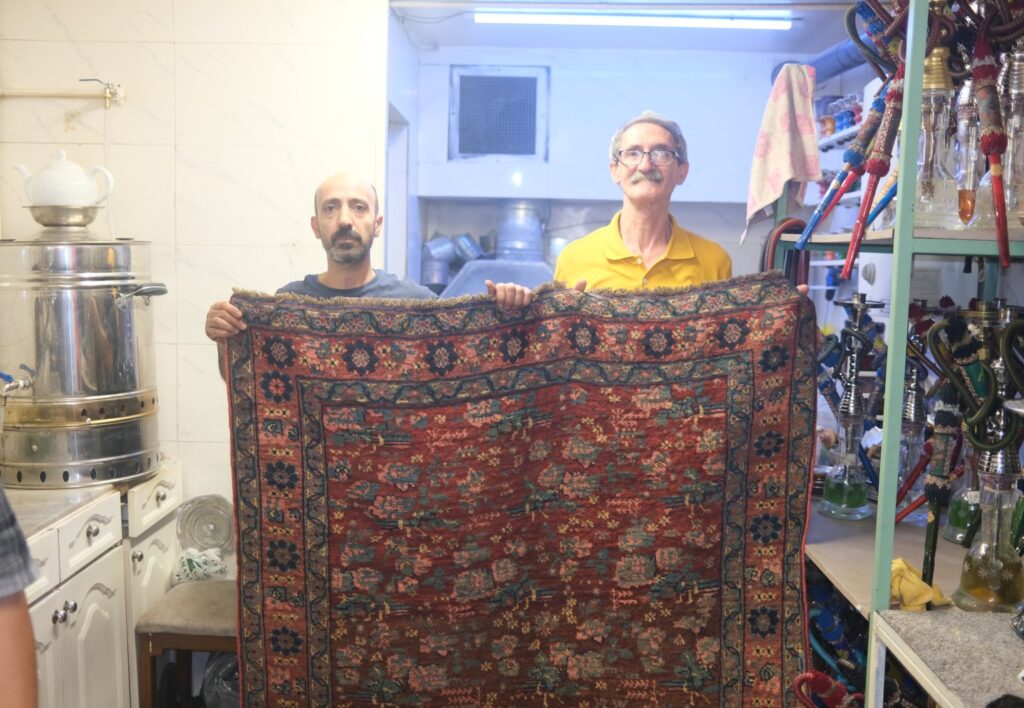
The design layout of this Savojbalagh rug is a classic “All-Over Floral” pattern, arranged in a dense, yet airy, “Millefleur” (Thousand Flowers)style. The entire field is covered in a continuous, repeating pattern of stylized floral sprays, blooming bushes, and graceful, curving vines. There is no single, dominating central medallion; instead, the eye is drawn across the entire rug, wandering from flower to flower. The floral motifs are arranged in a staggered, “brick-like” grid, creating a sense of rhythm and movement. The rug is framed by a beautiful, multi-tiered border system. The wide main border features a repeating pattern of geometric rosettes and stylized floral blossoms in deep blue, cream, and pink, while the inner and outer guard borders are thin bands featuring small, repeating chevron and star motifs.
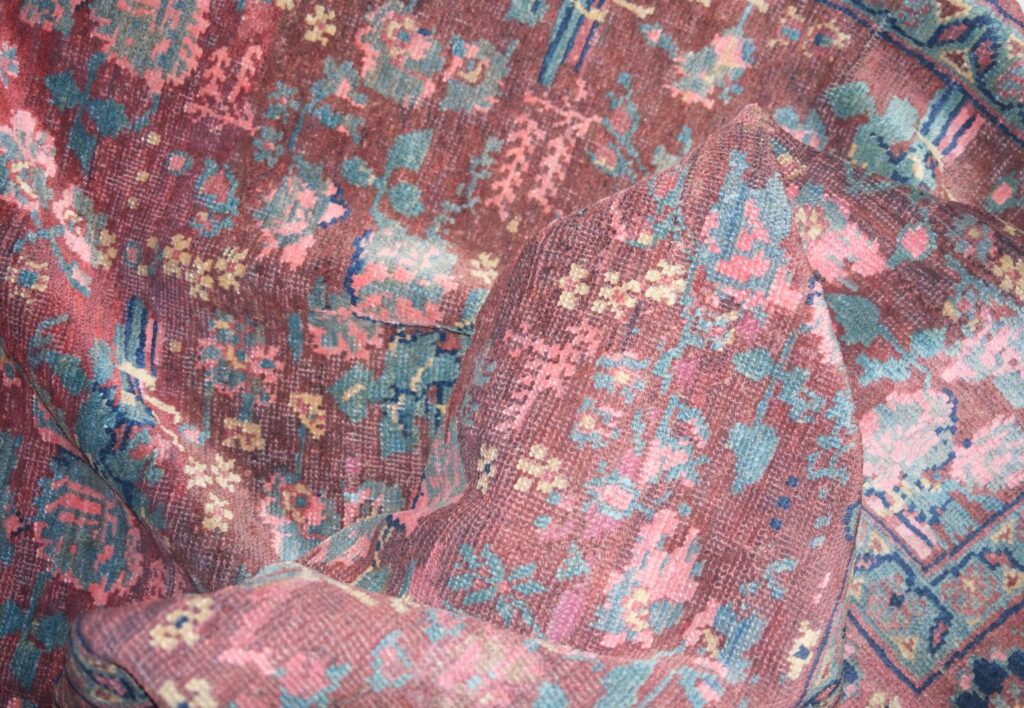
The motifs in this Savojbalagh rug are stylized, organic, and deeply romantic. The field is populated with clusters of blooming flowers—some resembling wild roses, others resembling tulips, poppies, or stylized artichokes. These floral clusters are connected by slender, curving vinesand jagged, stepped leaves in teal and green. The flowers themselves are not woven with sharp outlines; instead, they are created through the careful placement of contrasting pastel colors (pink, yellow, teal, cream) against the terracotta background. The main border features geometric, octagonal rosettes that contain small, star-like floral centers, alternating with smaller, diamond-shaped flower buds. The guard borders feature small, repeating “S-hooks” and “chevrons”, which act as a crisp, architectural frame that subtly contrasts with the organic, flowing field. The pile is notably short and tight, indicating a high knot density and the use of exceptionally fine, high-quality wool.
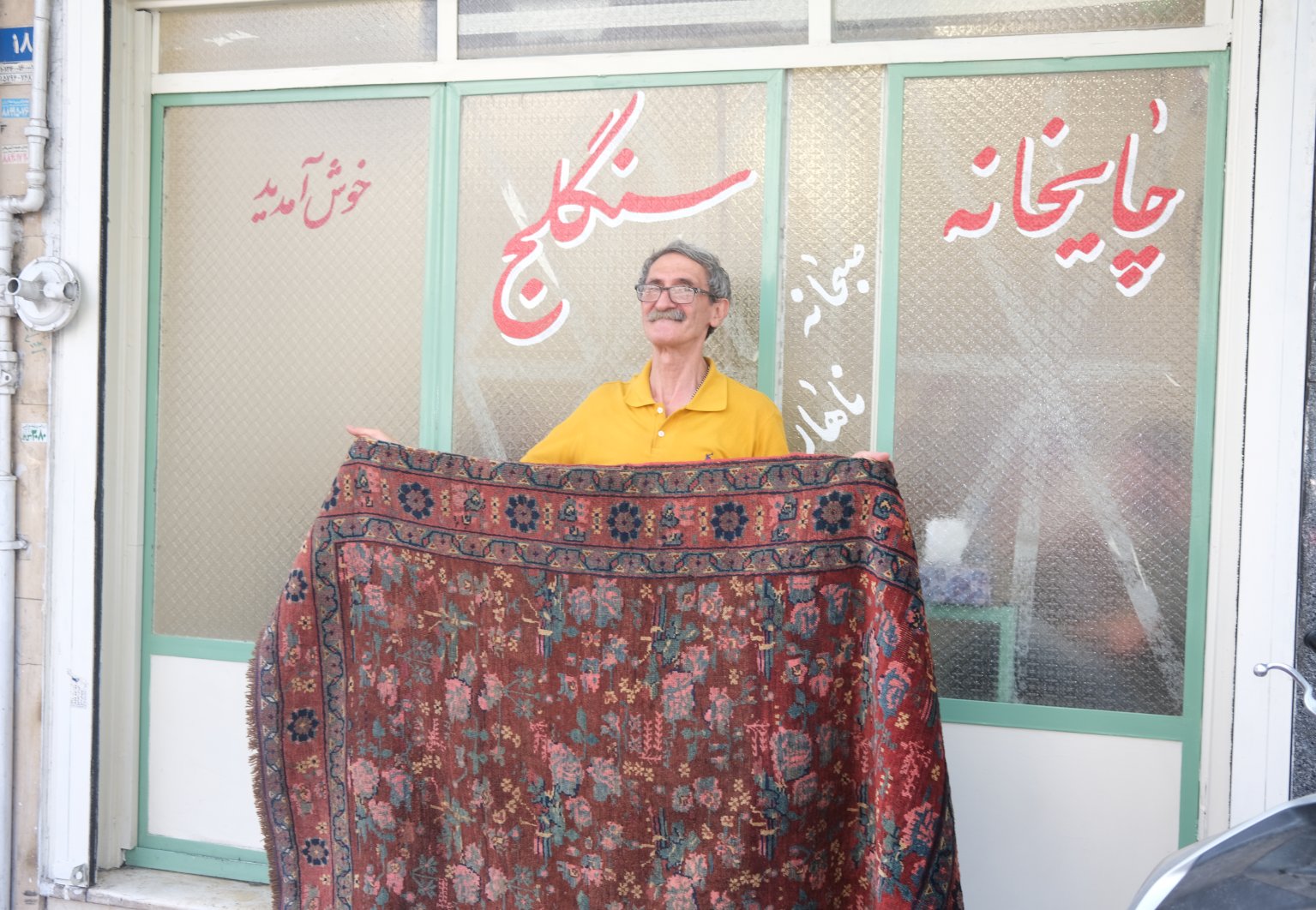
The color palette of this Savojbalagh rug is its most captivating feature. Instead of the bold, high-contrast colors of many tribal rugs, this piece features a soft, muted, and deeply harmoniouspalette that feels like a faded watercolor painting. The primary background is a warm, dusty brick redand soft terracotta, which has developed a beautiful, gentle abrash (color variation) across its surface. The intricate floral motifs that cover the field are not sharp or outlined; they are woven in dusty teal blue, soft powder pink, pale lemon yellow, and warm cream. The main border features a slightly deeper salmon-pink ground, which frames the field with a gentle, contrasting boundary. The dyes used in this rug are entirely natural, and their aging process has resulted in a luminous, “chalky” pastel quality that is highly sought after by collectors. This specific color palette is nearly impossible to replicate with modern synthetic dyes.
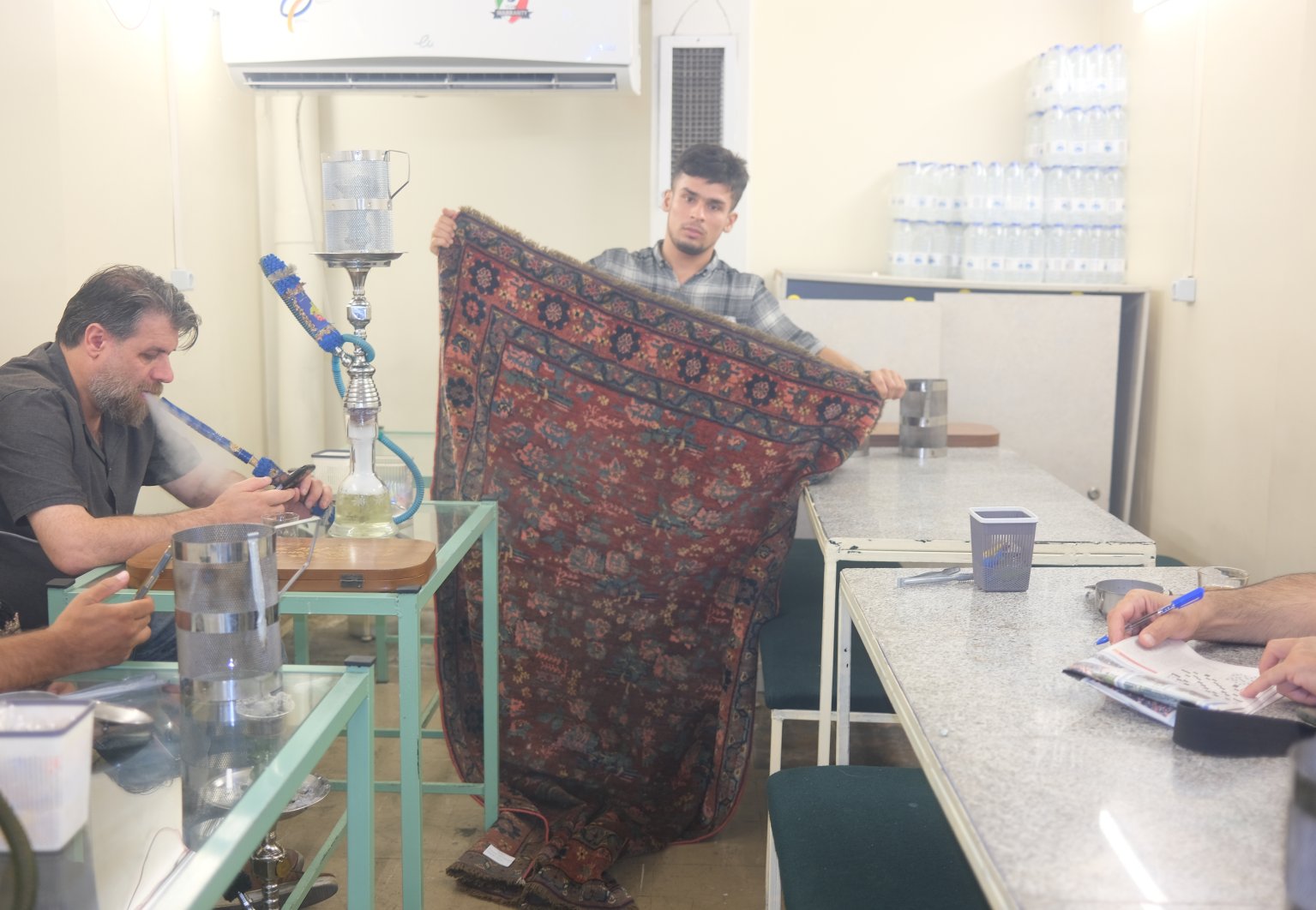
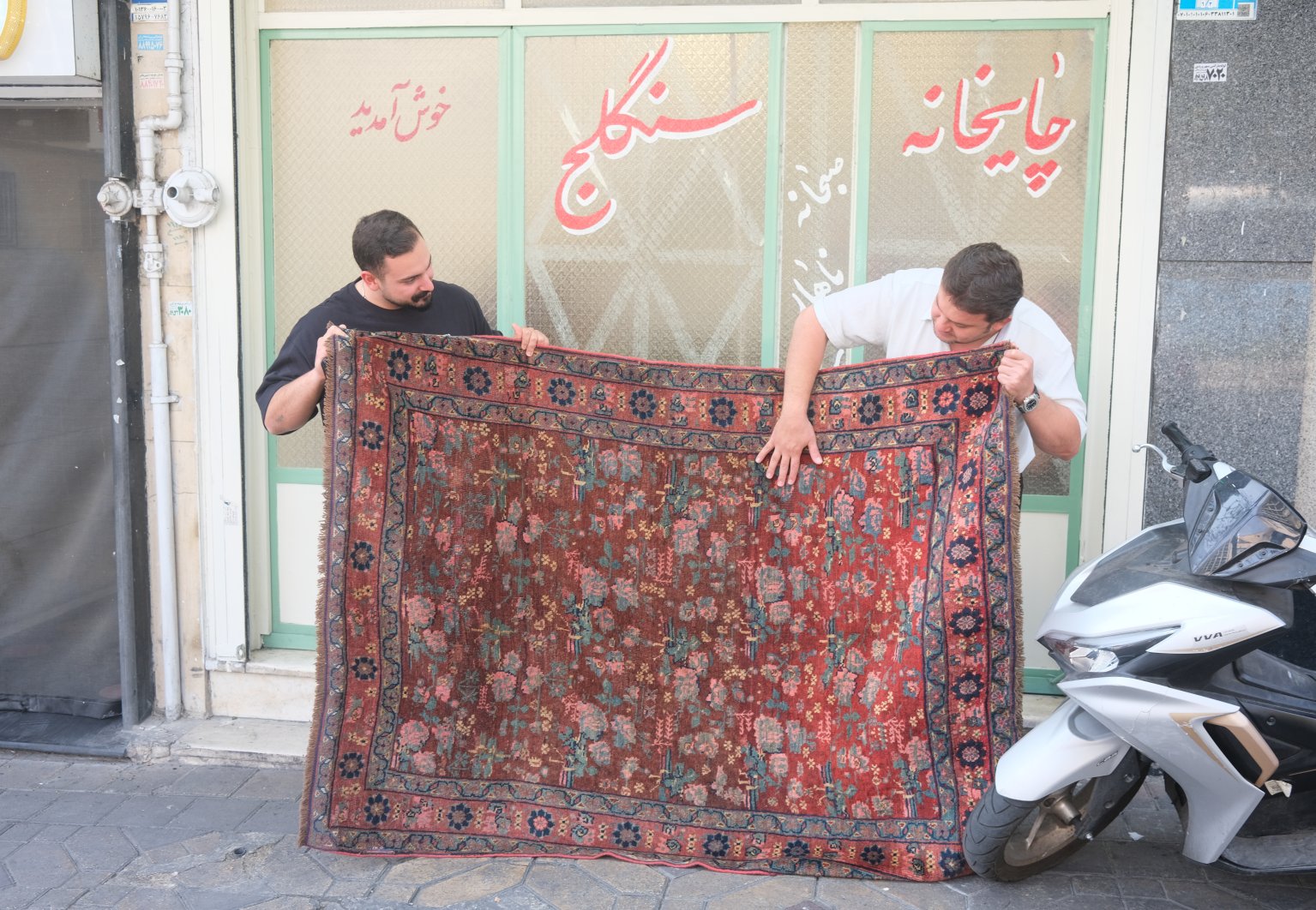
The symbolism woven into this Savojbalagh rug is deeply rooted in Persian garden culture and the celebration of nature. The “All-Over Floral” layout represents the “Garden of Paradise” (Pairidaeza)—a sacred, enclosed space that symbolizes fertility, abundance, and the eternal beauty of the natural world. The blooming flowers and curving vines represent the continuous cycle of life, growth, and the interconnectedness of all living things. The stepped leaves and the latch-hook edges of the border motifs are subtle protective symbols; they represent “protective teeth” woven into the rug to create a gentle barrier that wards off the Evil Eye and protects the beauty of the garden within. The soft, pastel palette gives the rug a deeply calming, romantic energy—it is a woven poem of spring, peace, and eternal beauty
Age: 90 years old (circa mid-1930s), a true antique.
Size: 188 x 140 cm (6’2″ x 4’7″), a versatile medium-sized area rug.
Material: 100% dense, hand-spun sheep’s wool with authentic natural organic dyes.
Colors: Soft, “impressionist” palette: dusty brick red/terracotta field, dusty teal blue, powder pink, pale lemon yellow, warm cream, and salmon-pink border.
Design: Classic “All-Over Floral” (Millefleur) layout with a dense, repeating garden of floral sprays and curving vines.
Pattern: Stylized clusters of wild roses/tulips, slender curving vines, jagged stepped leaves; main border with geometric octagonal rosettes; chevron and S-hook guard borders.
Symbolism: Garden of Paradise (fertility/abundance), continuous cycle of life (vines), protective teeth (latch-hooks/stepped leaves), peace and tranquility (pastel palette).
Condition: Excellent antique condition; dense, soft, velvet-like low pile; beautiful natural abrash; secure edges and intact fringes.
Abrash: Highly desirable natural color variation across the field and borders, confirming authentic hand-prepared natural dyes.
Versatility: Ideal as a cozy living room or bedroom floor piece, or as a stunning, romantic wall tapestry.
Value: A rare, collectible piece of 1930s Savojbalagh weaving. The luminous, watercolor-like pastel palette and the exceptionally soft wool make this a highly desirable addition to any serious textile collection.